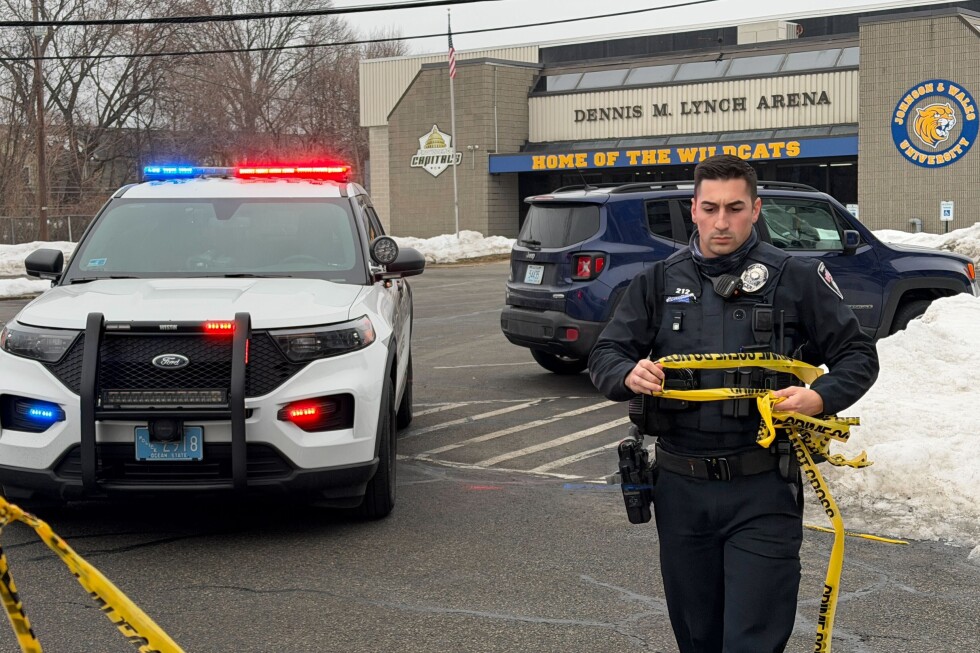
Understanding the Profound Impact of a Tragedy: The Rhode Island Hockey Rink Shooting
The headline itself paints a chilling picture: "Shooting in stands at R.I. rink leaves 3 dead, others injured." This stark announcement of a fatal incident involving the Rhode Island Hockey Shooting Claims 3 Lives, Injures Others immediately signals a profound tragedy, one that reverberates far beyond the ice rink walls. While specific details surrounding the motives, individuals involved, or the full timeline of events are not extensively detailed in our immediate context, the very essence of such an event—a fatal shooting in a public, recreational space—guarantees a deep and lasting impact on a community. This article aims to explore the multifaceted consequences that typically follow such a devastating event, examining the immediate shockwaves and the long-term societal changes that emerge from what is broadly understood as the Tragedy at RI Hockey Rink: Latest on Deadly Shooting.
The Rhode Island Hockey Shooting, by its nature, strikes at the heart of community safety and peace. A hockey rink, for many, is a place of joy, competition, and community gathering, especially for families and youth sports. When violence erupts in such an environment, it shatters the sense of security and innocence, forcing a re-evaluation of safety in public spaces. The immediate aftermath is often characterized by overwhelming grief and confusion, leading to broader discussions about public safety, mental health, and the resilience of a community grappling with unforeseen horror. Despite the limited granular details regarding this specific incident, the patterns of impact from similar tragedies offer a framework for understanding the profound challenges faced by those directly affected and the wider society.
The Immediate Aftermath: Shock, Grief, and Community Response
Any event as devastating as a fatal shooting immediately plunges the affected community into a state of profound shock and grief. The news that a shooting occurred in the stands at a Rhode Island rink, resulting in three fatalities and multiple injuries, would undoubtedly trigger an outpouring of sorrow and fear. For the families of those lost, the pain is unimaginable and irreversible. For the injured, the journey to recovery, both physical and emotional, can be long and arduous.
In the hours and days following such an incident, the hockey rink, once a vibrant hub, transforms into a crime scene and a memorial. Emergency services, law enforcement, and medical personnel would be at the forefront, managing the immediate crisis, providing aid, and beginning the arduous task of investigation. The media spotlight would undoubtedly turn to the scene, seeking answers and details, while local officials would face the challenge of communicating with a stunned public, offering condolences, and reassuring the community amidst deep uncertainty.
Community gatherings, vigils, and impromptu memorials often emerge spontaneously as people seek to process the grief together. This collective mourning is a critical initial step in healing, allowing individuals to share their shock, express sympathy, and find solidarity in a time of crisis. Local support organizations and mental health professionals typically mobilize quickly to offer counseling and resources to those traumatized by the events, recognizing the immediate need for psychological first aid.
Psychological and Emotional Toll on Individuals and Families
Beyond the immediate fatalities and physical injuries, the Tragedy at RI Hockey Rink inflicts a heavy psychological and emotional toll. Witnesses, especially children and adolescents present at the rink, may suffer from lasting trauma. Symptoms such as anxiety, depression, sleep disturbances, and post-traumatic stress disorder (PTSD) can manifest weeks, months, or even years after the event. The sense of safety in places once considered secure is irrevocably shattered, leading to pervasive fear and hypervigilance.
Families of the deceased face not only the crushing weight of loss but also the complex grief that accompanies a sudden, violent death. This often includes feelings of anger, confusion, and a struggle to find meaning. For the injured, the physical recovery is often intertwined with psychological distress, as they grapple with the memory of the event and the impact on their lives.
- For Parents and Children: Parents involved in youth hockey or those who frequent the rink may struggle with how to explain the tragedy to their children and how to help them feel safe again. Children, whose innocence is often protected in such settings, may develop fears about public spaces or engaging in activities they once loved.
- First Responders: Police officers, paramedics, and firefighters who respond to such horrific scenes are also highly susceptible to secondary trauma. Exposure to critical incidents can lead to significant mental health challenges, underscoring the need for robust support systems for these essential workers.
- Community-Wide Impact: Even those not directly present can experience vicarious trauma through media reports and community discussions, contributing to a collective sense of unease and vulnerability.
Practical advice in these circumstances often includes seeking professional mental health support, encouraging open dialogue about feelings, and fostering supportive community networks. Recognizing the signs of trauma and addressing them promptly is crucial for long-term well-being.
Re-evaluating Security and Safety in Public Spaces
A tragic event like the Rhode Island Rink Shooting invariably triggers a widespread re-evaluation of security protocols in public venues, particularly sports and recreational facilities. The fact that a shooting occurred in the stands highlights a vulnerability that many facilities might not have adequately addressed. This often leads to increased scrutiny of existing security measures and a push for enhancements.
Potential changes could include:
- Enhanced Surveillance: Installation of more extensive CCTV systems and increased monitoring.
- Access Control: Implementation of stricter bag checks, metal detectors, or other screening procedures at entry points.
- Trained Personnel: Increased presence of security guards and staff trained in de-escalation tactics and emergency response.
- Emergency Preparedness: Review and update of active shooter protocols, evacuation plans, and communication systems.
- Threat Assessment: Development of programs to identify and assess potential threats before they escalate.
The challenge for venue operators is to balance enhanced security with maintaining an open, welcoming atmosphere. Striking this balance is crucial to prevent such measures from deterring community engagement and participation in sports and leisure activities. The incident serves as a stark reminder that even seemingly safe community hubs require constant vigilance and adaptation to evolving security challenges.
Ripple Effects on the Local Community and Economy
The impact of a fatal shooting extends beyond the human toll to affect the broader social and economic fabric of the local community. The hockey rink, if it remains closed for investigation or repairs, represents a loss of a central gathering place. Youth hockey leagues, adult recreational teams, and public skating sessions would be disrupted, affecting schedules, revenue, and the morale of participants.
Local businesses in the vicinity of the rink might experience a downturn due to decreased foot traffic, as people may be hesitant to return to the area or as regular activities are put on hold. The community's reputation could also be affected, at least temporarily, leading to concerns about attracting visitors or new residents.
However, crises can also galvanize a community. It's common to see a surge of support for victims' families, fundraising efforts, and initiatives aimed at healing and rebuilding. These efforts often strengthen community bonds, foster a sense of collective purpose, and reinforce the importance of local institutions and shared spaces. The Tragedy at RI Hockey Rink, while devastating, could also become a catalyst for unity and renewed commitment to community well-being.
Broader Societal Conversations and Policy Implications
Every major incident of public violence, including a significant event like the Rhode Island Hockey Shooting, inevitably contributes to broader national conversations about crucial societal issues. These discussions typically revolve around:
- Gun Violence Prevention: The tragic loss of life often renews calls for examining existing gun laws, exploring measures to prevent firearms from falling into the wrong hands, and debating the balance between Second Amendment rights and public safety.
- Mental Health Support: Such incidents frequently highlight the critical need for accessible and robust mental health services, including early intervention programs and support for individuals experiencing mental health crises. Addressing underlying issues can be a key component in preventing future violence.
- Community Responsibility: There's often a renewed focus on the role of community members in recognizing warning signs, fostering supportive environments, and reporting concerning behavior to authorities. The concept of "see something, say something" gains prominence.
- Media Ethics and Reporting: The way such events are reported can also become a topic of discussion, with debates about sensationalism, responsible coverage, and the potential impact on victims and their families.
While policy changes are complex and often contentious, the emotional weight of events like this can serve as a powerful impetus for lawmakers and advocacy groups to revisit existing frameworks and propose new solutions aimed at preventing similar tragedies.
Conclusion
The fatal Rhode Island Hockey Shooting, leaving three dead and others injured in a place meant for recreation and community, represents a profound and multifaceted tragedy. While the specific details of the incident remain beyond the scope of this general discussion, its immediate aftermath would undoubtedly be characterized by intense shock, grief, and a community struggling to cope with sudden loss. The long-term impacts would extend to the psychological well-being of individuals, a critical re-evaluation of safety protocols in public venues, and ripple effects on the local economy and social cohesion. Ultimately, such devastating events compel society to confront uncomfortable truths about violence, mental health, and the continuous effort required to ensure public safety in cherished community spaces. The journey from tragedy to healing is long and complex, requiring sustained support, thoughtful policy discussions, and a collective commitment to fostering safer, more resilient communities for all.